Video and audio guide

Convert MPG and MPEG video files

Check the MPEG codec and destination requirements before converting MPG files for playback, editing, or sharing.

Updated September 4, 2026By

The free version limits many processing operations to the first three minutes. Check compatibility and trial limits.

  • Media filesVideo or audio files
  • Choose MP4Output matched to this workflow
  • General playback or sharing checkVerify before batch processing

Before you begin

Match the output to its destination.

Check the codecs inside the source container and the requirements of the target player, editor, or device before converting.

Identify the MPEG stream

MPG files commonly contain MPEG-1 or MPEG-2 video, but the extension alone does not identify the exact stream, audio codec, aspect ratio, or interlacing. Inspect those properties before choosing an output.

Convert for a specific reason

Keep the source when it already plays or imports correctly. Use MP4 for broad playback, MOV or an editing profile for a supported production workflow, and another container only when the destination documents that requirement. Conversion is not automatically necessary simply because the file uses an MPG extension.

DVD-origin MPEG-2 often uses interlaced video and display-aspect metadata. Preserve those properties unless the destination specifically requires progressive output, and review motion carefully after deinterlacing. Keep the source file until the final destination has been tested successfully.

Preserve picture geometry

Match the source aspect ratio, frame rate, and field order to avoid stretched images or motion artifacts. Test picture, audio, and sync on one output before processing the remaining files.
Workflow direction

Follow the intended workflow below.

Check the MPEG codec and destination requirements before converting MPG files for playback, editing, or sharing.

Three-step workflow

Create and verify one test output before processing the full batch.

Check the MPEG codec and destination requirements before converting MPG files for playback, editing, or sharing.

01

Add the source

Load the MPG or MPEG files

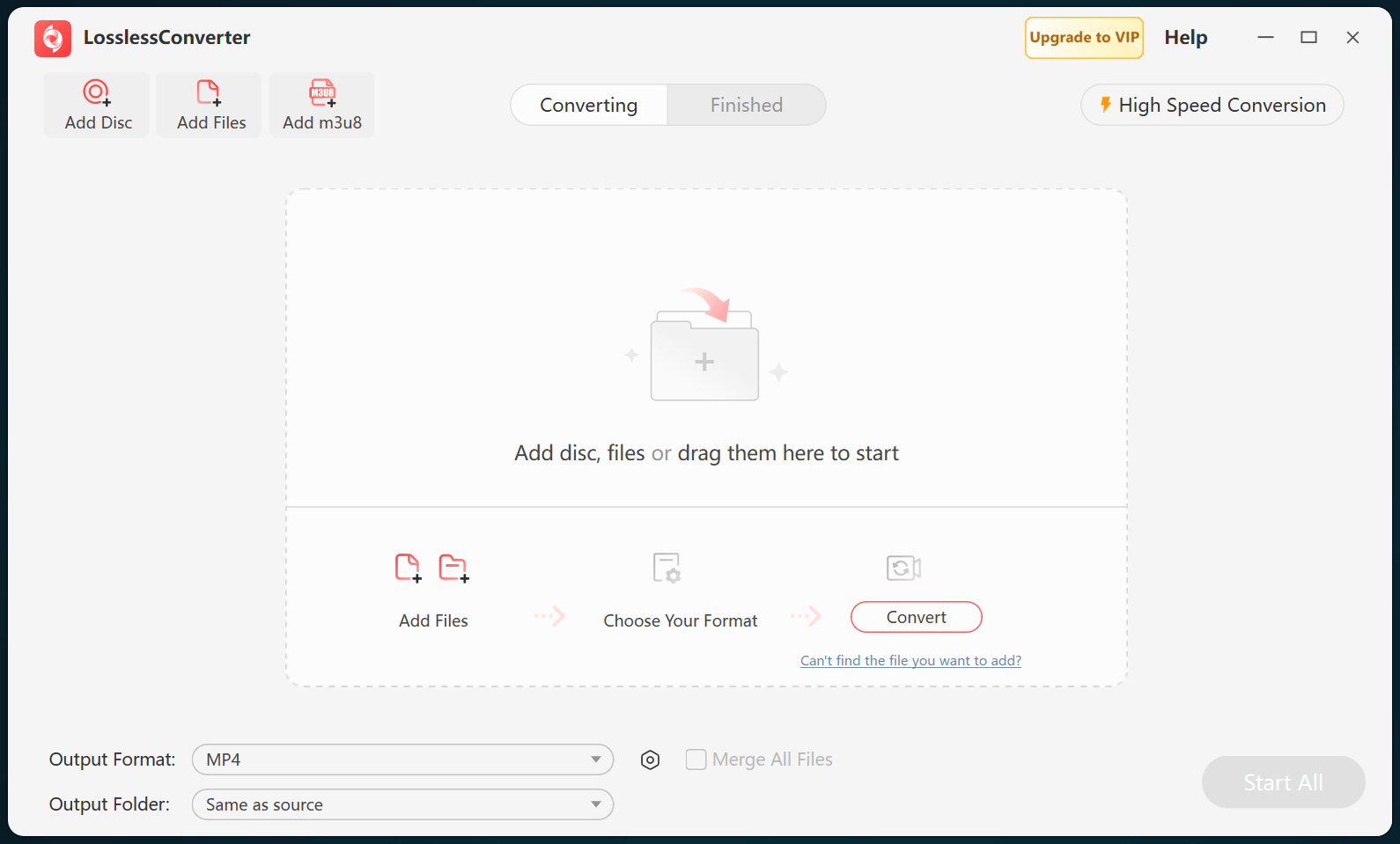
Open LosslessConverter and select Add Files. Add the MPG or MPEG files and select the files required for this workflow.

LosslessConverter main window with the source controls visible
Source toolbarLoad the source from the main toolbar.
02

Create a broadly compatible file

Choose Video > MP4

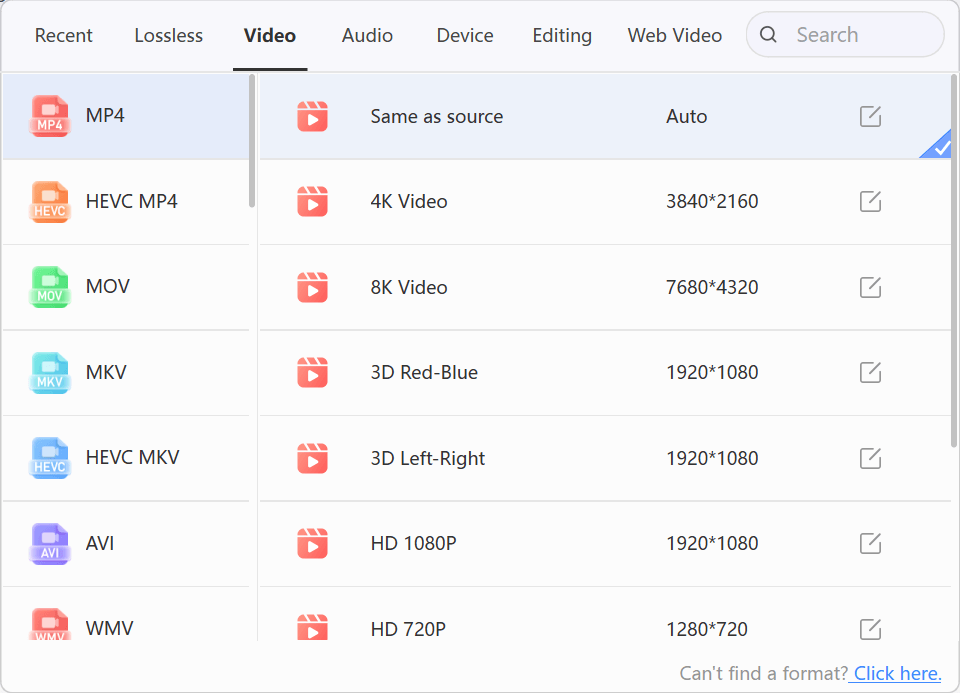
Open Output Format, select the Video group, and choose MP4. Start with Same as source, then change resolution only when the destination requires it.

LosslessConverter Output Format menu with Video and MP4 selected
MP4Select Video, then choose MP4.
03

Create the current output

Select Start All, then verify in general playback or sharing

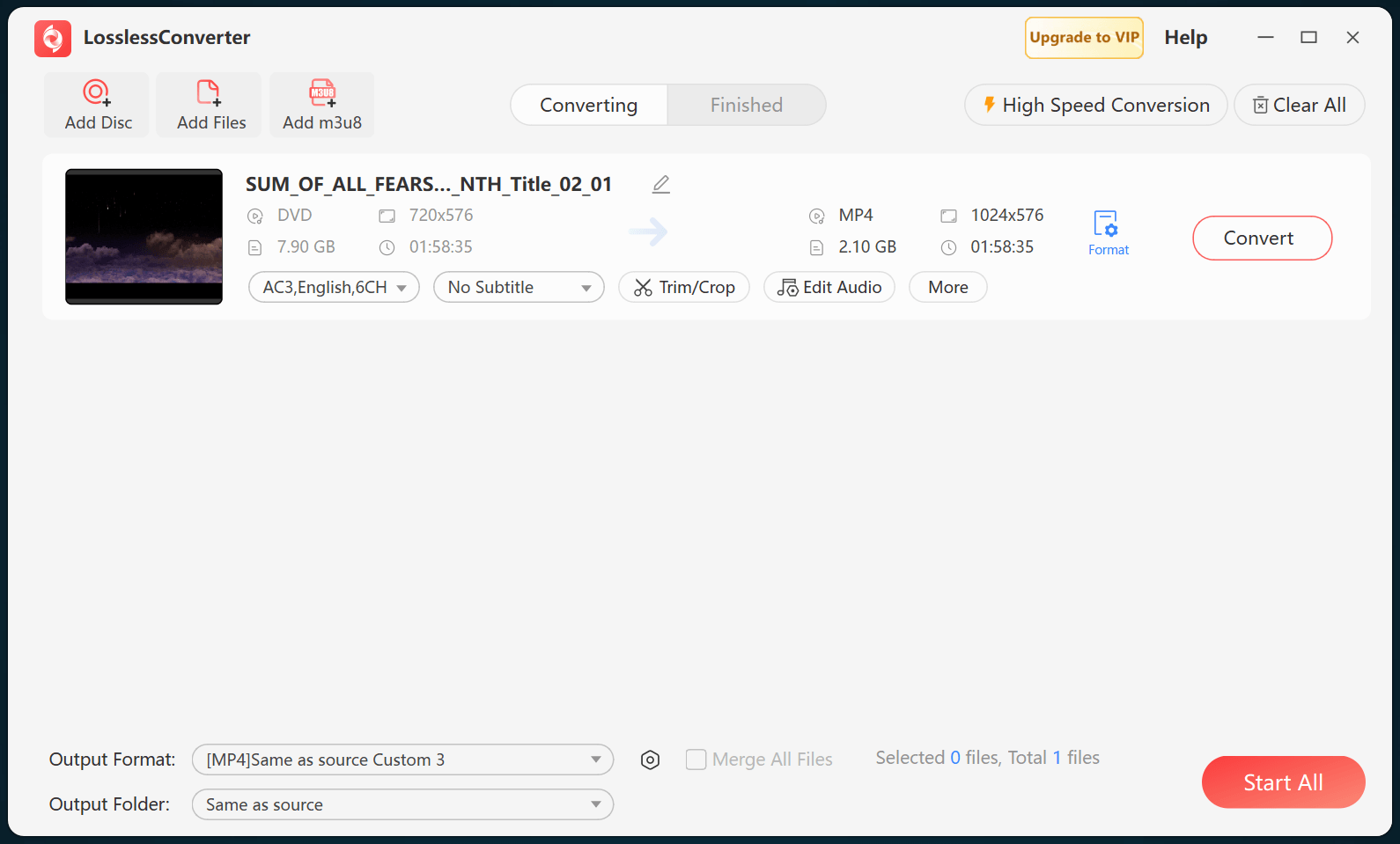
Choose an output folder and select Start All. When processing finishes, open the MP4 file in the destination and verify aspect ratio, field order, picture, audio, and sync.

LosslessConverter main window with Start All ready at the lower right
Start AllRun the task, then verify the result.

Try it with your own media

Process one file, verify the result, then run the full batch.

The free version limits many processing operations to the first three minutes. Check compatibility and trial limits.