Prepare 1080p video for Apple TV
Apple TV playback depends on the codec, profile, audio stream, subtitle format, and the app or home-sharing path used to open the file. A 1920 x 1080 file can still fail when its container or audio is unsupported, so test the source in the intended current Apple TV app before converting it.
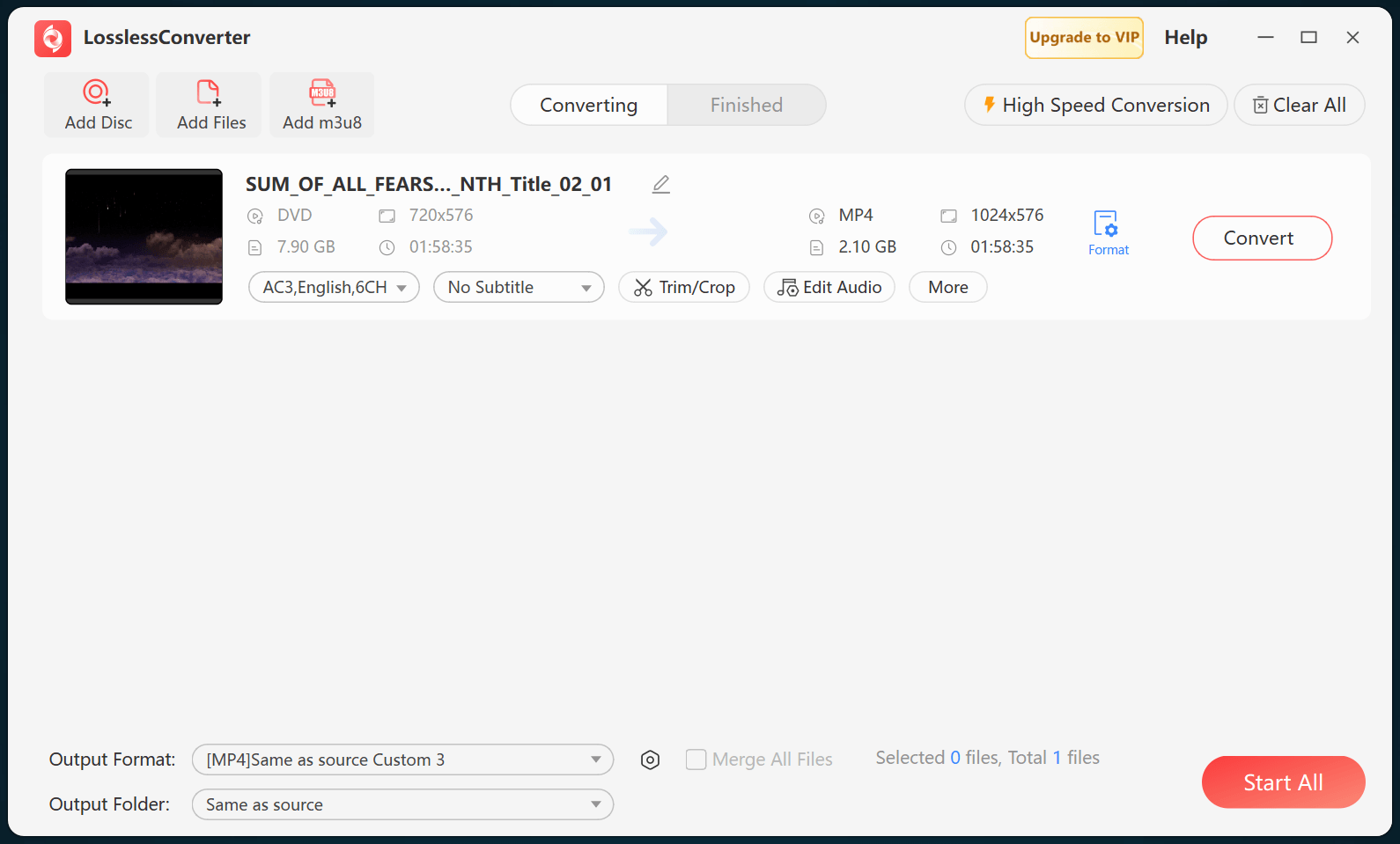
Do not reduce a 1080p source to 720p just to match an old workflow. Keep 1920 x 1080 and the source frame rate when the destination can handle them, and create a compatibility copy only when direct playback fails or the delivery path documents another requirement.
Check the Apple TV playback path
Identify whether the file will be opened from the Apple TV library, a home-sharing computer, or a third-party media app. Each path may apply different limits for containers, video profiles, audio channels, and subtitles. Test one source file with seeking, pause and resume, and the intended subtitle and audio selection.
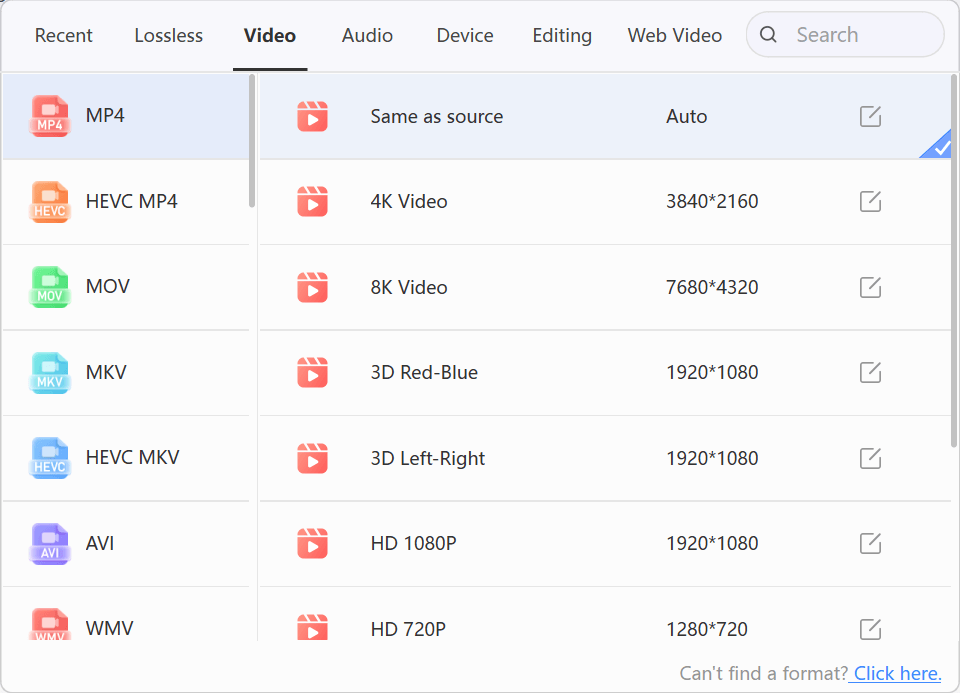
Choose H.264 MP4 when needed
H.264 video in an MP4 container is a practical compatibility baseline for many Apple TV workflows. Use AAC audio when broad stereo playback is the priority; multichannel audio depends on the Apple TV model, app, receiver, and HDMI path. A transcode changes the video, so retain the source and do not describe the MP4 as lossless.
Verify 1080p picture and audio
After conversion, add the test file to the same Apple TV workflow that will handle the collection. Check that the output remains 1920 x 1080, preserves the intended frame cadence, plays dialogue and subtitles, seeks without stalls, and stays synchronized from beginning to end before processing the remaining files.