MTS and M2TS guide

Convert MTS to MP4

Prepare AVCHD camera footage for broader playback, sharing and storage.

Updated September 4, 2026By

The free version limits many processing operations to the first three minutes. Check compatibility and trial limits.

  • MTS/M2TS footageAVCHD or M2TS files
  • Choose MP4Output matched to this workflow
  • General playback or sharing checkVerify before batch processing

Problem and solution

Check the AVCHD source before choosing a workflow.

Keep the original camera folder when available, then confirm the recording mode, frame rate, and destination support before converting.

Create an MP4 only when needed

MTS is commonly used for AVCHD camera video, while MP4 is a broadly supported delivery container. Conversion is useful when a player, service, or device cannot use the original stream, but it is not required when the source already works.

Use H.264 with AAC for broad compatibility, retain the source dimensions and frame rate where possible, and test picture, motion, audio, and sync. Because video may be re-encoded, avoid promising identical source quality.
Solution direction

Apply the solution in the workflow below.

Prepare AVCHD camera footage for broader playback, sharing and storage.

Three-step workflow

Create and verify one test output before processing the full batch.

Prepare AVCHD camera footage for broader playback, sharing and storage.

01

Add the source

Load the MTS or AVCHD clips

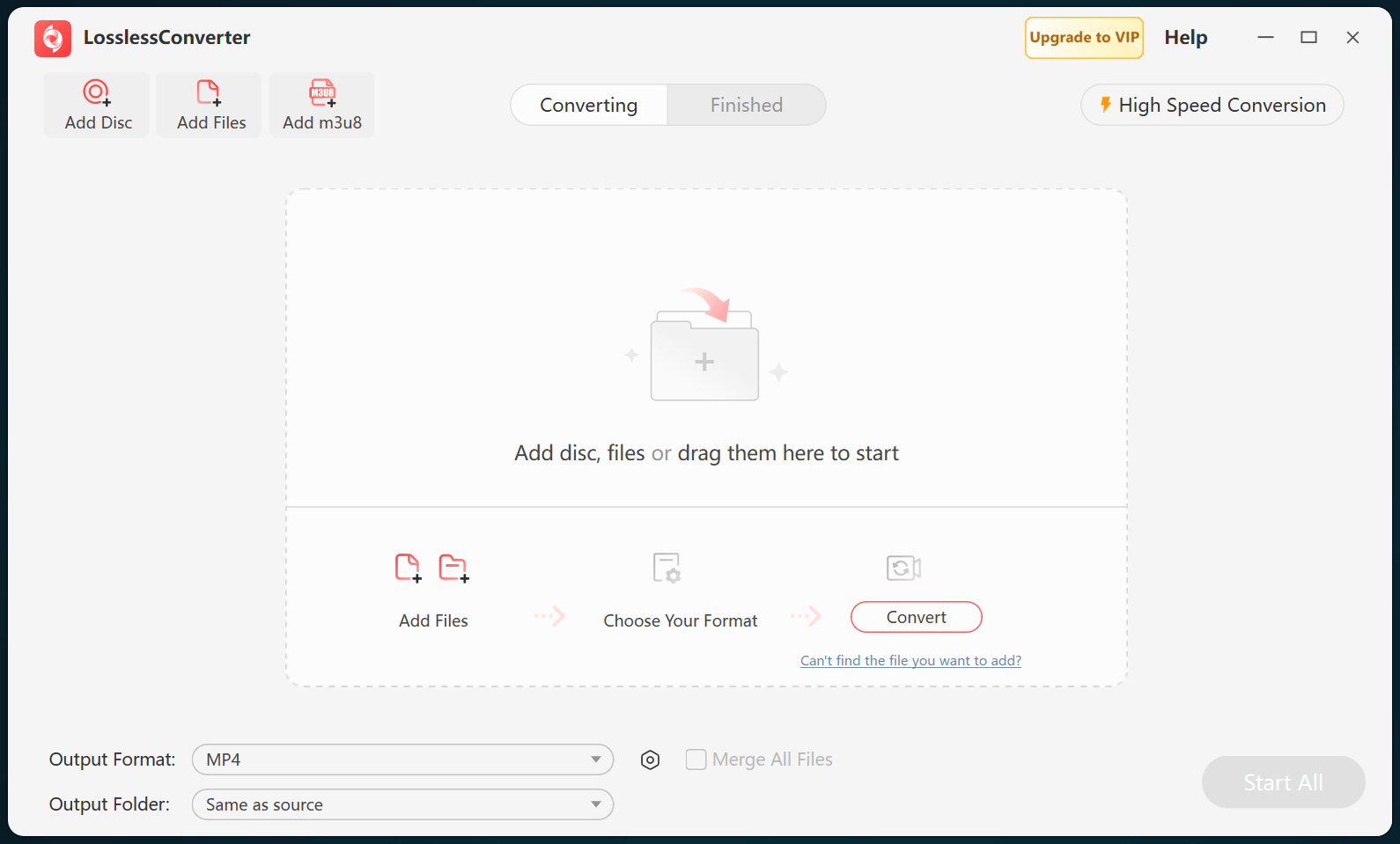
Open LosslessConverter and select Add Files. Add the MTS or AVCHD clips and select the files required for this workflow.

LosslessConverter main window with the source controls visible
Source toolbarLoad the source from the main toolbar.
02

Create a broadly compatible file

Choose Video > MP4

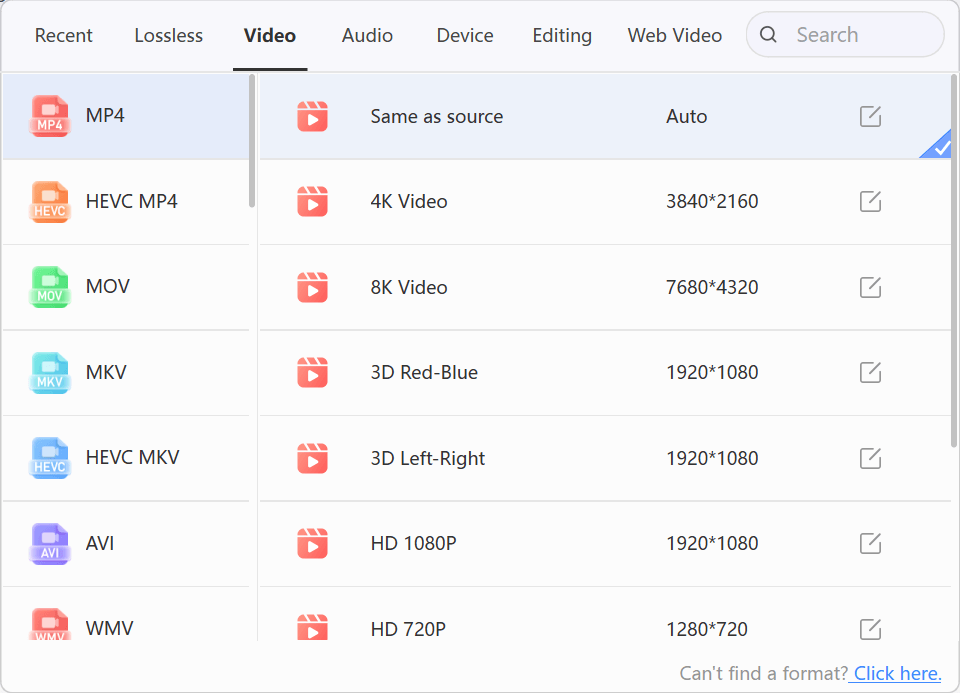
Open Output Format, select the Video group, and choose MP4. Start with Same as source, then change resolution only when the destination requires it.

LosslessConverter Output Format menu with Video and MP4 selected
MP4Select Video, then choose MP4.
03

Create the current output

Select Start All, then verify in general playback or sharing

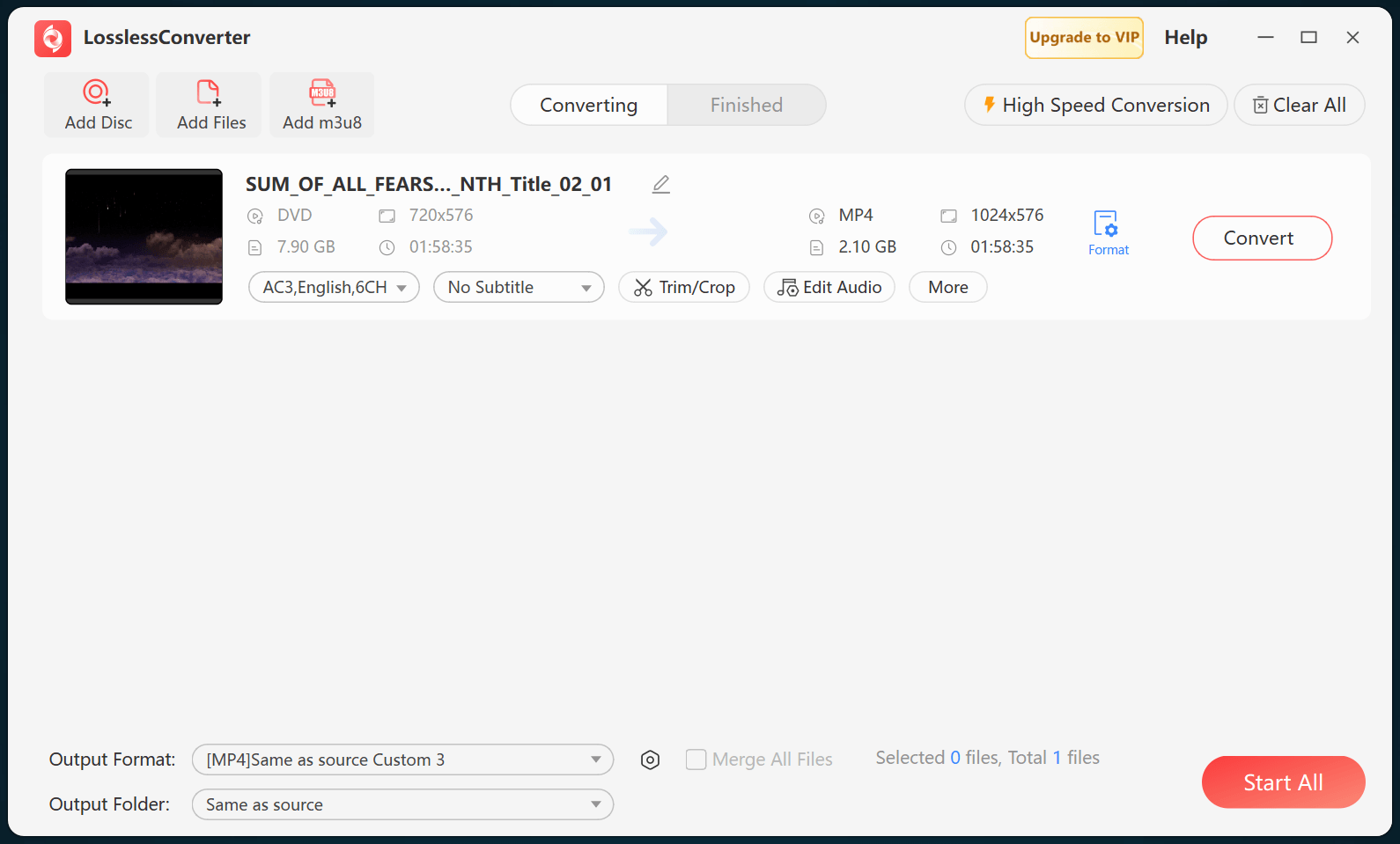
Choose an output folder and select Start All. When processing finishes, open the MP4 files in the destination player and verify picture, frame rate, and audio.

LosslessConverter main window with Start All ready at the lower right
Start AllRun the task, then verify the result.

Try it with your own media

Process one file, verify the result, then run the full batch.

The free version limits many processing operations to the first three minutes. Check compatibility and trial limits.

Primary sources

Official references for this workflow

Use these first-party references to confirm current format, application, or device support. Capabilities can change after this guide is updated.